Last weekend, I went camping about 2 hours inland from where I live in the South Island, to a beautiful place near Lake Tekapo.
I parked up at Lake McGregor, hoping to maybe take the kayak out in the morning if the wind died down.
But the wild was wild right into the evening, buffeting my camper and everyone around me. The cloud formations showed clearly a lot was going on “up there”!
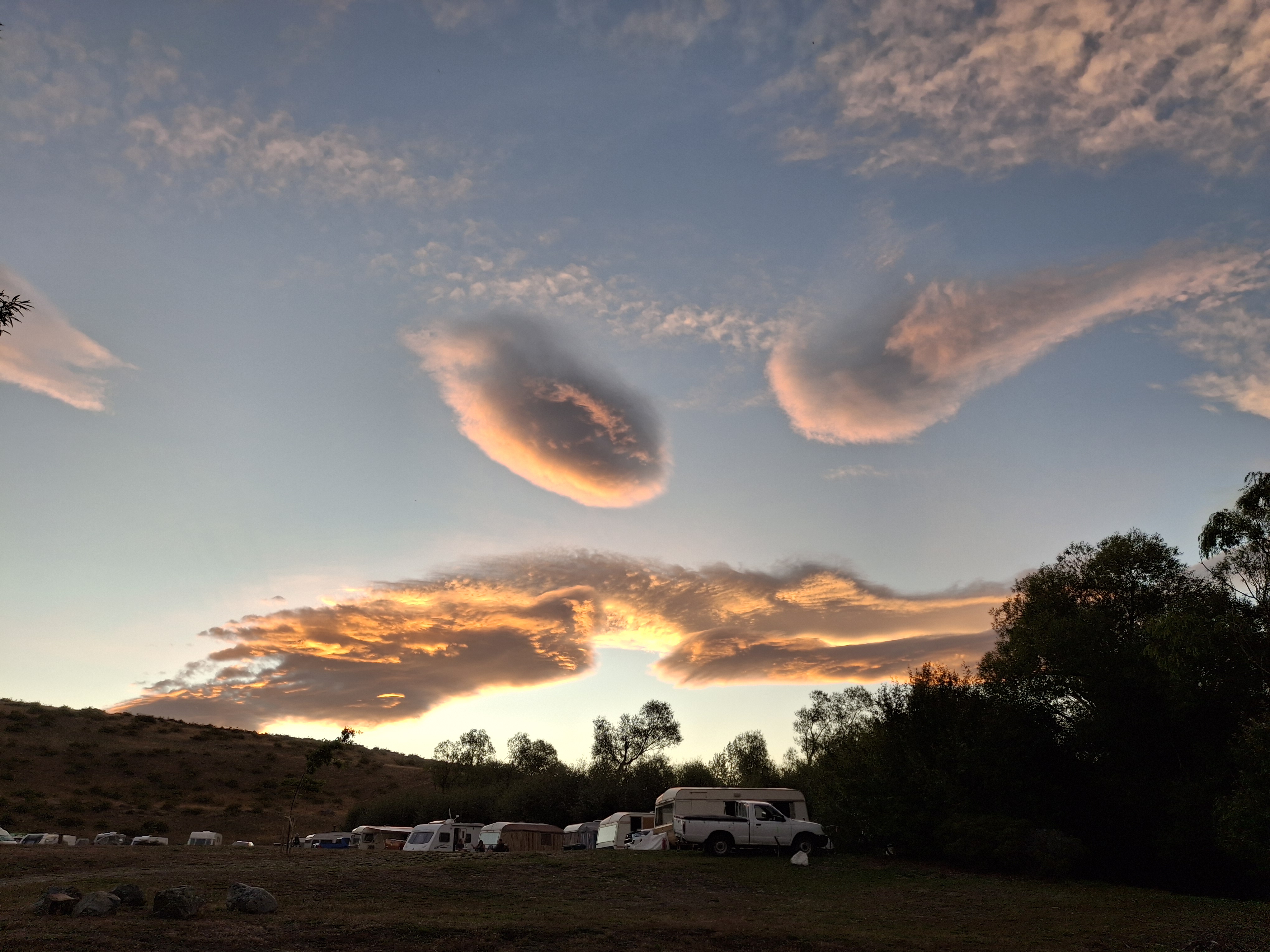
Then just at dusk, there came an incredible and unexpected stillness. Before long, I noticed couples had ventured out of the campervans and were gathering along the lakeside. No one spoke — they just stood there, looking out. I didn’t want to miss a thing, so I joined them. It was mesmerizing.
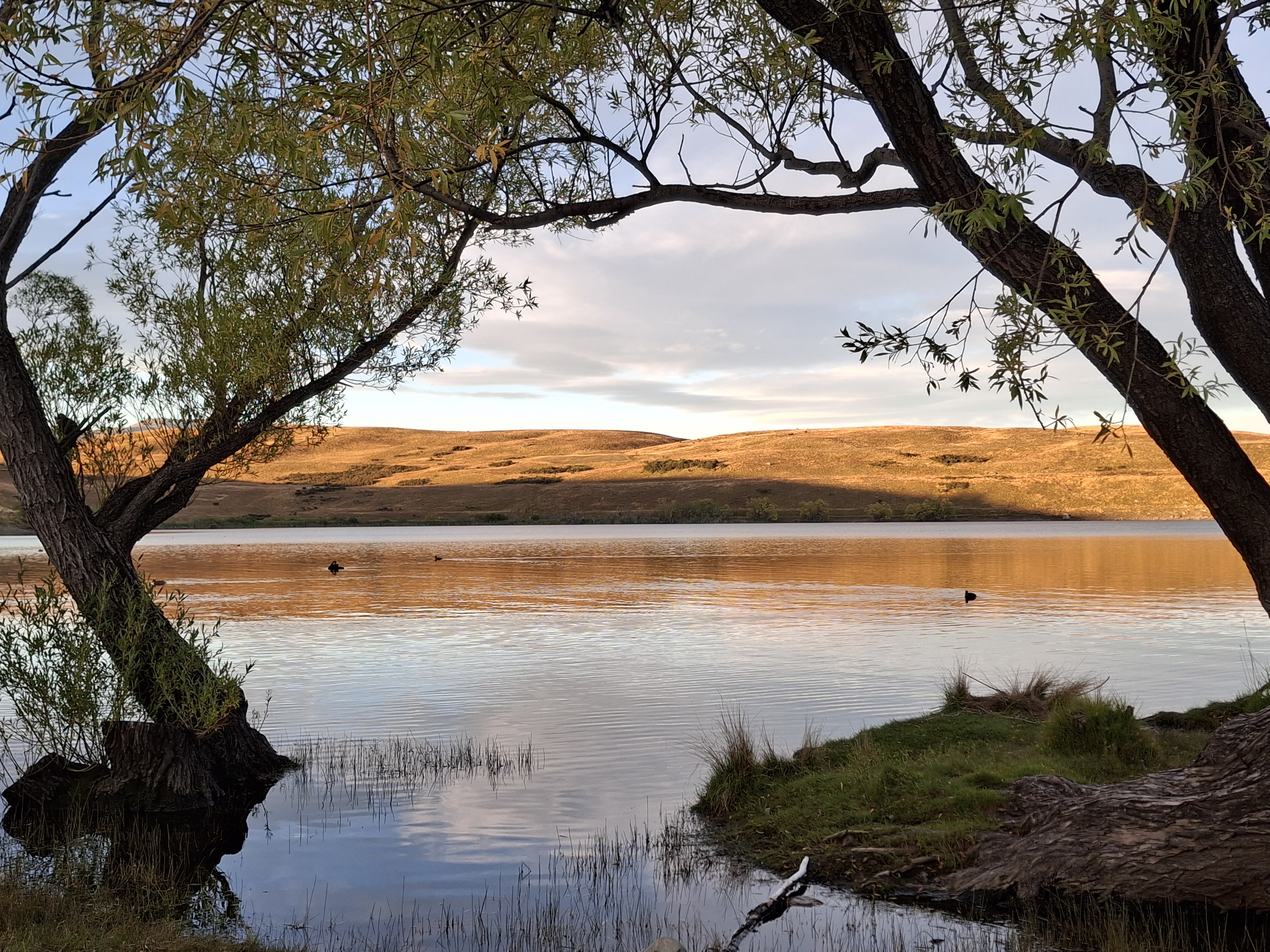
The lake was stunningly beautiful, and the swans and ducks were gently stretching and calling to each other. Not a breath of wind. It was certainly made more beautiful due to the difference we had seen from only a little while before.
Suddenly, a young boy on a bike, probably about 9 or 10 years old, turned up. He looked along at this row of people, from all different nations, all different lives, contemplatively looking out at the lake. And then he asked, his burning question….So, what are you all looking at?
We were all looking at the same landscape.
But those few of us who replied all spoke with different answers.
Yet were we not all looking at the same thing?
God places the same question to us at times — asking us to put into our own words what we are seeing in front of us. He wants to hear from us as to how we see it. Because we are all unique, the same experience may affect you so differently from me, even if we are looking at the same memory/time/experience. Sometimes what we are looking at is not a quiet lake — it is the wild storm before — it’s grief, it’s anger, it’s injustice, it’s sadness, it’s frustration, it’s hurt.
Note in each of these Biblical passages below, a specific question was asked to each of these Bible characters – to Hagar, to Elijah, to Mary Magdalene & to the two disciples on the road to Emmaus — just to take four examples (there are plenty more). God was directing them to answer in their words how they saw their situation of grief.
Genesis 16:1–7
16 Now Sarai, Abram’s wife, had borne him no children. But she had an Egyptian slave named Hagar; 2 so she said to Abram, “The Lord has kept me from having children. Go, sleep with my slave; perhaps I can build a family through her.”
Abram agreed to what Sarai said. 3 So after Abram had been living in Canaan ten years, Sarai his wife took her Egyptian slave Hagar and gave her to her husband to be his wife. 4 He slept with Hagar, and she conceived.
When she knew she was pregnant, she began to despise her mistress. 5 Then Sarai said to Abram, “You are responsible for the wrong I am suffering. I put my slave in your arms, and now that she knows she is pregnant, she despises me. May the Lord judge between you and me.”
6 “Your slave is in your hands,” Abram said. “Do with her whatever you think best.” Then Sarai mistreated Hagar; so she fled from her.
7 The angel of the Lord found Hagar near a spring in the desert; it was the spring that is beside the road to Shur. 8 And he said, “Hagar, slave of Sarai, where have you come from, and where are you going?”
2/1 Kings 19: 1–4, v9.
19 Now Ahab told Jezebel everything Elijah had done and how he had killed all the prophets with the sword. 2 So Jezebel sent a messenger to Elijah to say, “May the gods deal with me, be it ever so severely, if by this time tomorrow I do not make your life like that of one of them.”
3 Elijah was afraid[a] and ran for his life. When he came to Beersheba in Judah, he left his servant there, 4 while he himself went a day’s journey into the wilderness. He came to a broom bush, sat down under it and prayed that he might die. “I have had enough, Lord,” he said. “Take my life; I am no better than my ancestors.”….
And the word of the Lord came to him: “What are you doing here, Elijah?”
John 20:1,2, 11-13
20 Early on the first day of the week, while it was still dark, Mary Magdalene went to the tomb and saw that the stone had been removed from the entrance. 2 So she came running to Simon Peter and the other disciple, the one Jesus loved, and said, “They have taken the Lord out of the tomb, and we don’t know where they have put him!”
11 Now Mary stood outside the tomb crying. As she wept, she bent over to look into the tomb 12 and saw two angels in white, seated where Jesus’ body had been, one at the head and the other at the foot.
13 They asked her, “Woman, why are you crying?”
Luke 24:13–19
13 Now that same day two of them were going to a village called Emmaus, about seven miles[a] from Jerusalem. 14 They were talking with each other about everything that had happened. 15 As they talked and discussed these things with each other, Jesus himself came up and walked along with them; 16 but they were kept from recognizing him.
17 He asked them, “What are you discussing together as you walk along?”
They stood still, their faces downcast. 18 One of them, named Cleopas, asked him, “Are you the only one visiting Jerusalem who does not know the things that have happened there in these days?”
19 “What things?” he asked.
God asks us all from time to time, what are you looking at?
It sounds crazy to say when we know God has made us and He knows us better than anyone that we must tell Him, Our Creator, how we feel but please this is important. For us to put words to what we see — to actually offload to Him our own inflections, our imperfections, and our biased reflections is so important. It helps us own our own story.
For me over recent times God has been leading me into the depths of some very early memories. I have been working through some issues I had done everything possible to not be looking at, over the years up til now. The more recent years were bad enough, surely I don’t have to go back any further, do I God? But this was the time to tell Him in my words what I saw as I looked out at the landscape of my memories.
‘What are you looking at?”
Before you consider your reply before God, go and read what follows in each of these stories.
With each of these four examples, plus many more, God responds. He doesn’t leave them hanging after their raw honesty. As they trust in Him, He answers, He heals, He shows them His way.
God promises His Holy Spirit as a comforter, “It’s alright, I’ve got you. You may not see it yet but you will be ok.”
Now be brave and tell Him from your perspective.
The wind will die down and His peace will settle like the lake at dusk.
 5-10minute reads
Leave a comment